
Celebrating Senior Pet Month: Helping Your Older Dog Thrive
November is Senior Pet Month, the perfect time to celebrate our loyal companions and make sure they’re getting the care, comfort, and attention they deserve. As our dogs grow older, their needs change, but with a few small adjustments, you can help them stay active, comfortable, and happy well into their golden years.
When is a dog considered “senior”?
It depends on the breed and size. Smaller dogs may not reach their senior years until around nine to eleven years old, while larger breeds can be considered seniors as early as six or seven. Signs that your pup might be entering their senior phase include slowing down on walks, sleeping more, hesitating to climb stairs or jump, and subtle changes in hearing or vision.
Veterinarians recommend twice-yearly checkups for senior dogs since their health can change quickly, according to the American Animal Hospital Association (AAHA). Being proactive helps catch small issues before they become big ones.
Key areas of senior dog care
1. Health and wellness
Stay consistent with vet visits, maintain vaccines, and monitor changes in appetite, weight, or activity level. Ask your vet about senior bloodwork and joint screenings. Keep a little journal of any changes you notice at home, it makes your vet’s job easier and keeps your dog healthier.
2. Nutrition and mobility
Older dogs often need diets lower in calories but higher in quality protein and nutrients that support joint and brain health, notes PetMD.
Mobility can also become a challenge. Simple upgrades at home can make a big difference: provide a supportive bed, keep essentials on one level, and make it easier for them to reach favorite spots.
That’s where the KLIMB® and KLIMB® Jr shine. These platforms give senior dogs a safe, steady way to get on and off furniture or in and out of the car without putting pressure on aging joints. The KLIMB Jr can also raise food and water bowls to a comfortable height for larger pets, reducing strain on their neck and back.
3. Comfort and environment
Small changes at home can go a long way. Add rugs or runners on slippery floors to prevent slips, keep their bed in a warm, quiet area, and ensure their food, water, and toys are easy to access.
If your senior pup still loves light training or enrichment, gentle activities on the Propel Air Platform can help maintain muscle tone and coordination while keeping exercise low-impact. Note: always seek veterinary guidance before starting exercises with your senior pup.
4. Mental stimulation and connection
Aging doesn’t mean slowing down mentally! Senior dogs still love learning new tricks, exploring new scents, and spending quality time with you. Short walks, sniffy games, and light balance exercises can do wonders for their confidence and mood.
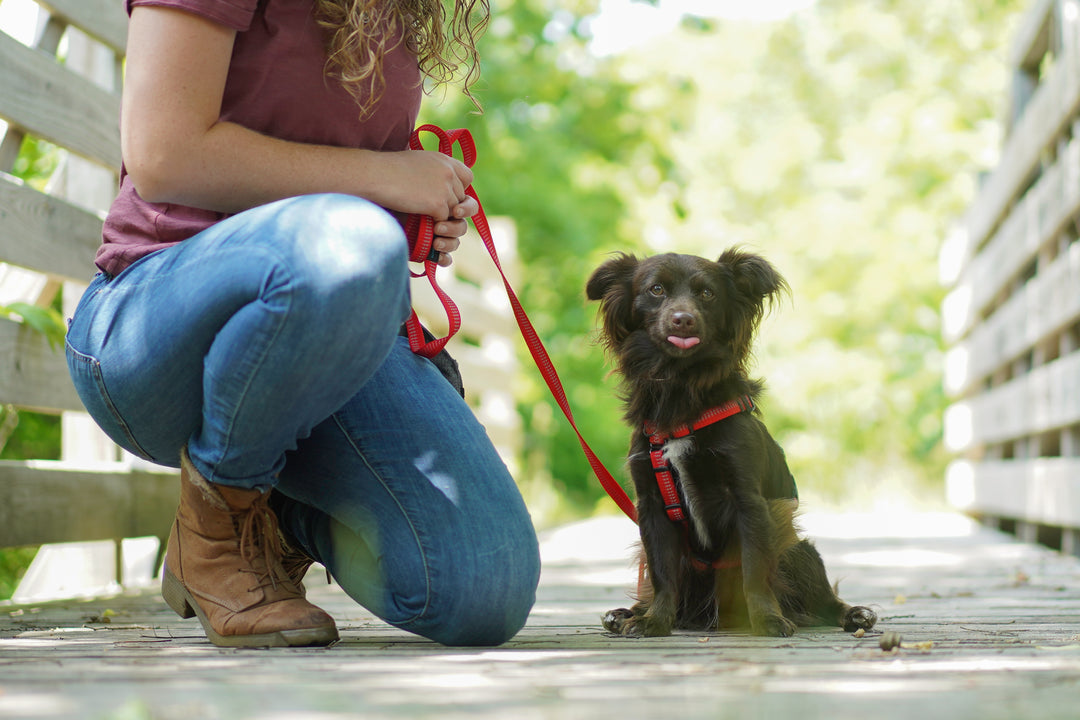
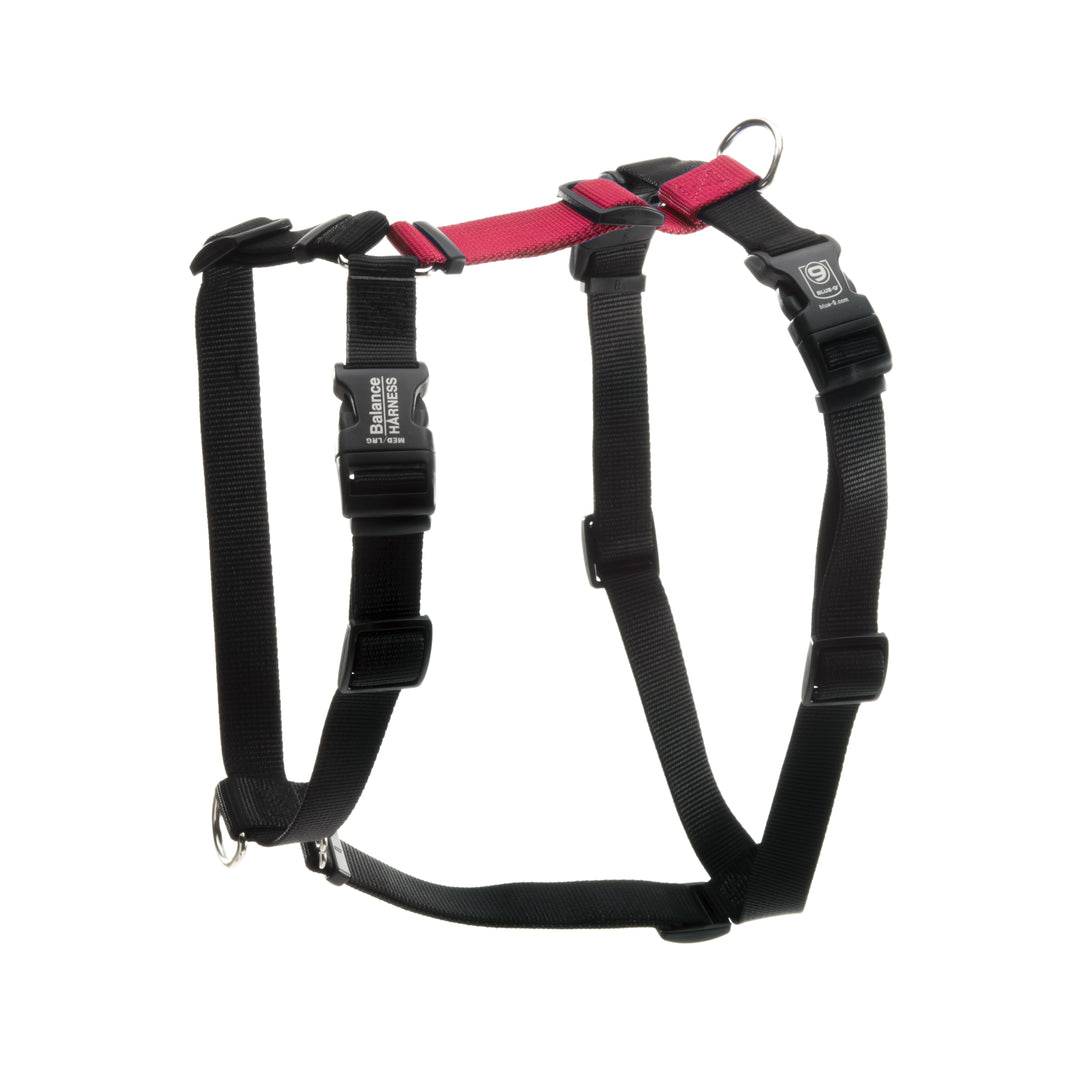
The Balance Harness is great for these outings, it’s designed for comfort and control, making walks more enjoyable for both of you.
Senior Pet Month checklist
-
Schedule a wellness check: Make sure your vet is up to date on vaccines, dental care, and joint health.
-
Reassess your home setup: Use the KLIMB or KLIMB Jr to create safer access to the couch, car, or raised bowls.
-
Keep moving: Incorporate short, gentle exercise sessions, indoors or out.
-
Stay connected: More cuddle time, slower walks, and gentle play go a long way.
Final thoughts
Our senior dogs have spent years being our best friends, and now it’s our turn to make their golden years shine. With thoughtful nutrition, gentle movement, and a few comfort upgrades, your older pup can stay happy, mobile, and engaged for years to come.
Celebrate Senior Pet Month by giving your dog the extra love, care, and comfort they deserve, because every moment with them is worth it.
Share this