
Your Dog Is Ready for Spring. But Is Their Body?
Spring Is Here. Is Your Dog Ready to Move?
The first day of spring arrives on March 20, 2026, and if your dog has anything to say about it, they are more than ready.
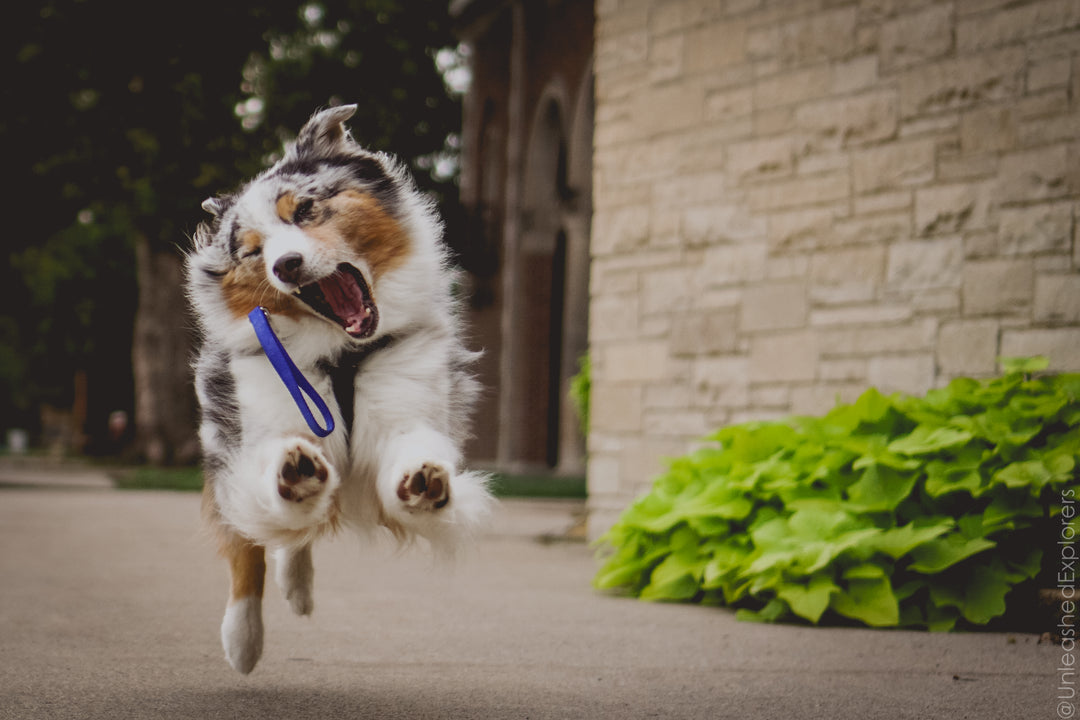
You notice it on the walk. Your dog pulls a little harder toward the door. They are up earlier, pacing, ready before you have even found your keys. After months of shorter days and slower routines, spring has a way of waking dogs up. And if you have ever wondered whether that energy spike is real or just your imagination, science says it is real.
A large-scale 2025 study published in Frontiers in Veterinary Science tracked activity levels across more than 28,000 dogs and found that dogs are measurably more active in spring. It is not just the nicer weather or the longer walks. Something about the season genuinely shifts how dogs move through the world.
The longer days and better weather make the urge to jump straight back into outdoor activities completely understandable. But before you lace up for that long hike or head to the dog park for an hour of off-leash running, it is worth asking: is your dog actually ready for it?
Start Slowly, Even If They Do Not Want To
Here is something worth keeping in mind as you head into the season. After months of shorter walks, more time indoors, and lower overall activity, most dogs are coming into spring a little deconditioned. Their muscles, joints, and cardiovascular system have been doing less, and jumping straight from winter routines into long runs or intense activity is one of the most common ways dogs end up sore or injured in early spring.
Veterinary guidance consistently points to the same principle when it comes to spring dog exercise: gradual progression. Start with shorter, more frequent activity and increase duration and intensity slowly over several weeks. Pay close attention to how your dog recovers after each session. If they are stiff the next morning, moving more slowly than usual, or reluctant to get up, that is their body signaling that the pace needs to slow down. Let their energy and recovery guide you rather than their enthusiasm in the moment, which will almost always outrun their actual fitness level.
Think of the next few weeks as a warm-up. The goal is not to do less. It is to build up in a way that sets your dog up for a strong, healthy, and active summer rather than a trip to the vet in May.
Fun Spring Dog Activities to Get You Started
The good news is that building back up does not have to be boring. Here are some spring dog activities that are engaging without pushing too hard too fast.
Take your training outside -
If you spent the winter working on sits, waits, heels, or any other behaviors indoors, spring is the perfect time to practice those same skills in a new environment. A behavior your dog has mastered in the living room is a completely different challenge in the backyard with birds, smells, and distractions competing for their attention. Taking your indoor work outside builds real-world reliability and gives your dog's brain a genuine workout alongside the physical one.
If you have been using a KLIMB indoors for place work, focus, or settling exercises, bring it outside. The same behaviors your dog practiced in the living room become a new challenge on the back porch or in the backyard, and the platform gives them a familiar anchor in an unfamiliar environment. It is one of the easiest ways to bridge your winter indoor work with your spring outdoor routine.
Try a backyard scent game -
Hide a handful of treats or a favorite toy in the grass and let your dog search. Start easy with just a few hiding spots in a small area, and gradually increase the difficulty as they get the hang of it. If you have a KLIMB, use it as a starting point. Ask your dog to wait on their place while you hide the treats, then release them to search. It adds an impulse control layer to the game and gives your dog a job before the fun begins. Scent work is one of the most mentally tiring activities you can give a dog, and a tired nose often means a calmer, more settled dog at the end of the day.
Gradually add distance to your walks -
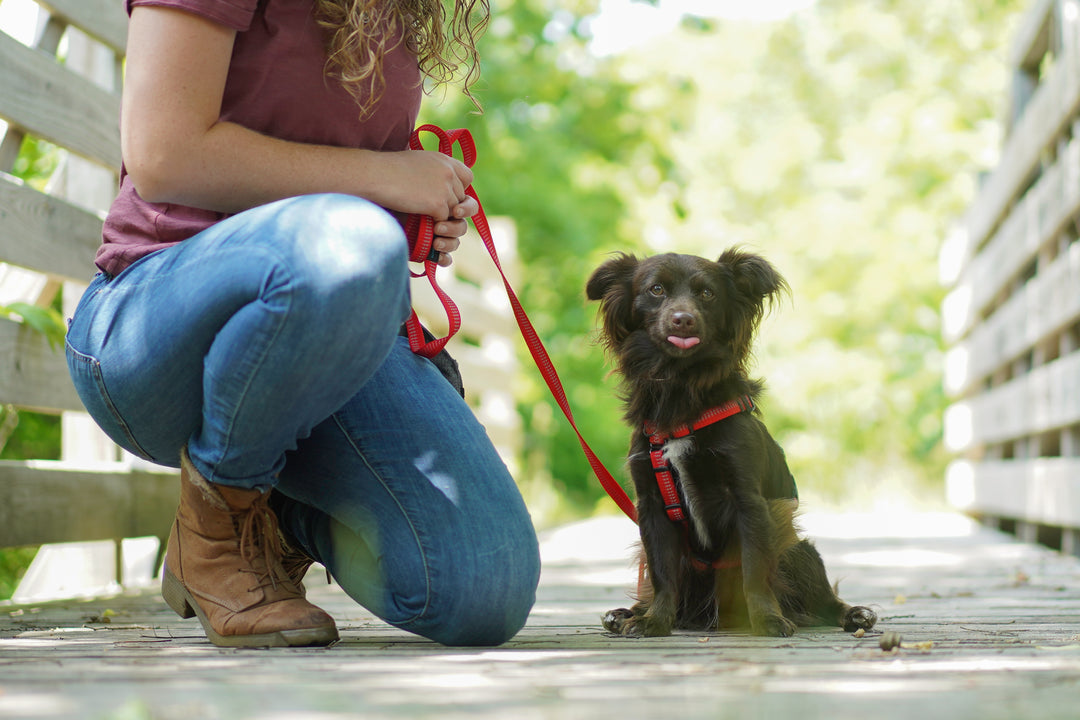
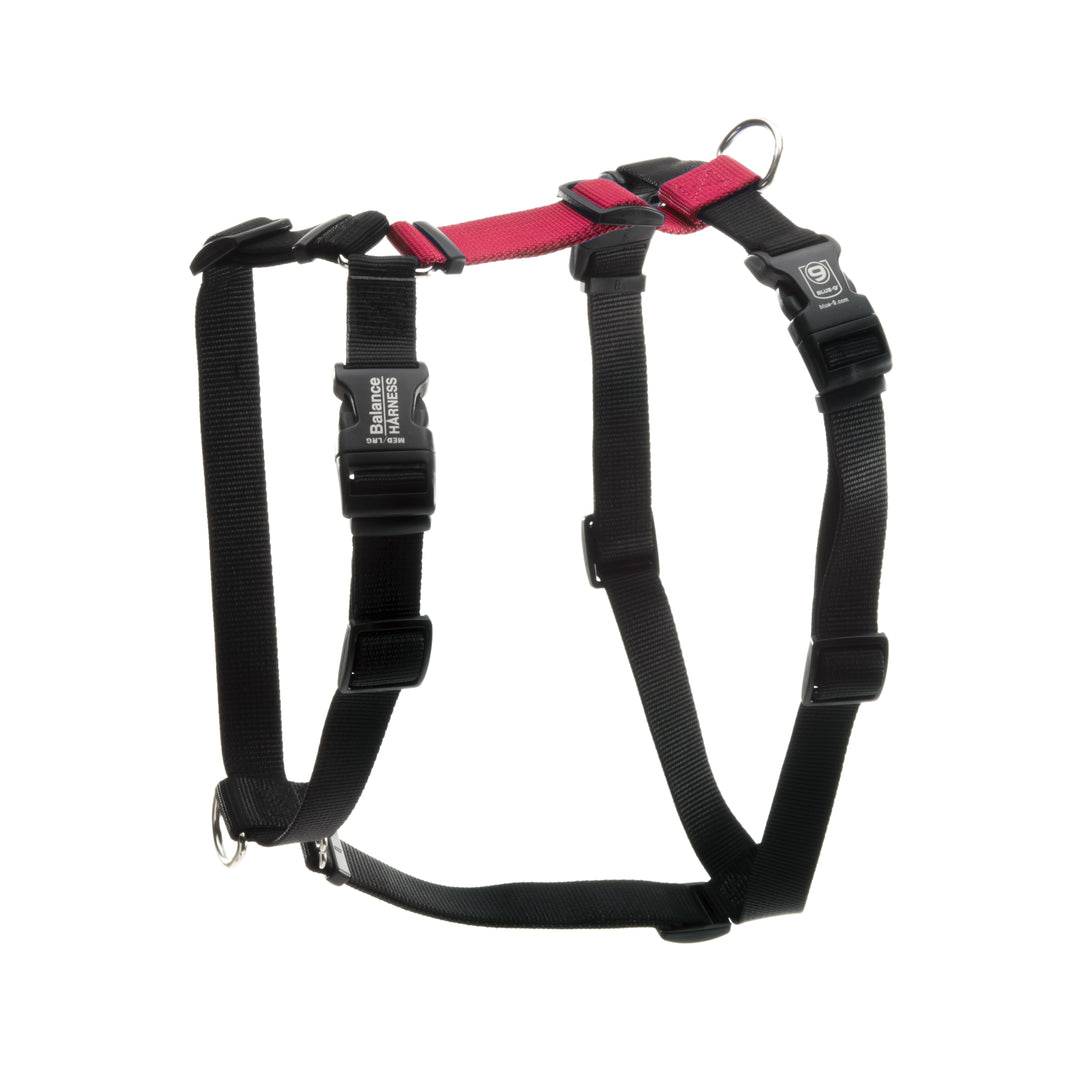
Short, frequent walks are a better starting point than long ones as your dog rebuilds their fitness after winter. Vary your routes when you can. New environments mean new smells, new sights, and mental stimulation on top of the physical exercise. If you are planning to increase walk duration this spring, it is also a good time to make sure your gear is working with your dog rather than against them. A well-fitted harness that allows full freedom of movement makes longer walks more comfortable and more effective for your dog's body, and a lot more enjoyable for both of you.
April Is Canine Fitness Month
If spring has you thinking more intentionally about your dog's fitness, April is the perfect time to lean into that. Every April is recognized as Canine Fitness Month, a dedicated reminder that our dogs' physical health deserves the same thoughtfulness we give our own.
It is a natural next step after the gradual ramp-up of spring, and a great way to build the foundation your dog needs for an active and healthy summer. Whether your goals are longer hikes, better walks, or simply more consistent daily movement, Canine Fitness Month is a good reason to get intentional about your dog's fitness routine.
Spring is here. Your dog is ready. Start where you are, build gradually, and enjoy the season together.
Share this