
Building Your Canine Fitness Program and How to Talk About It
Over the past few weeks we've made the case for canine fitness as a legitimate business opportunity and walked through the tools that make it possible. If you've been following along, you already know the why and you already know the what. This newsletter is about the how.
What does a fitness session actually look like in practice? How do you take a client from their first elevated stand to something more challenging without losing them? And how do you talk about it in a way that actually resonates?
That's what we're covering today.
What a Basic Fitness Session Actually Looks Like
A basic fitness session runs 15 to 30 minutes and follows a straightforward three part structure.
Start with a warm up. A few minutes of leash walking or easy place work gets the dog's body ready and gives you a chance to observe how they're moving before you ask anything more demanding.
From there move into your main exercises. Three to five focused movements is plenty for most dogs. A sample sequence: an elevated stand on the KLIMB for body awareness and rear end engagement, a slow sit to stand on the KLIMB Jr. for muscle activation, and balance work on the Propel or a FitPaws balance disc to introduce instability. Each exercise builds on the last without overwhelming the dog or the client.
Close with a cool down. A few minutes of light leash walking transitions the dog out of active work. Follow with cookie stretches, using a treat to lure your dog's head slowly side to side toward their ribcage and hip for a gentle lateral stretch. Finish with cat cow stretches, guiding the head down and then up to encourage flexion and extension through the back. These take just a few minutes, make a real difference in how the dog feels after a session, and are easy to teach clients to replicate at home.
For a deeper dive into cookie stretches and how to incorporate them, FitPaws recently published a comprehensive canine fitness guide written by veterinarian Dr. Shelby Neely. It's worth bookmarking and sharing with clients.
Building Progressions Without Losing Your Clients
The professionals who build lasting fitness programs aren't just teaching exercises. They're managing client motivation over time. And the most effective way to keep clients engaged is to always show them what comes next.
When a client's dog masters the elevated stand at 6 inches, show them what 12 inches looks like. When they're comfortable on the Propel at low inflation, demonstrate what higher inflation demands. When they've been consistent with single surface work, introduce the KLIMB and Propel combination and let them see their dog's core engage in a way it never has before.
Progression doesn't have to mean complexity. It just has to mean forward movement. A client who can see the next level has a reason to keep coming back. A client who feels like their dog has plateaued quietly stops scheduling.
FitPaws equipment pairs naturally with this model. Their FitBone gives dogs a different instability challenge that complements platform work, and the new FitKinect supports dynamic movement patterns beyond static balance work, including cavaletti pole setups for gait training and coordination. Both the FitPaws and Blue-9 lines are part of the Paw Prosper family of brands, which means recommending them together is a natural and cohesive conversation.
How to Talk About Fitness With Clients
This is where good fitness programming often falls apart. The exercises are solid. The tools are right. But the language doesn't land.
Lead with what the dog experiences, not what the science says.
Language that resonates sounds like this. "We're giving your dog a job that asks their whole body to work." "This builds the kind of strength your dog will actually use." "We're teaching your dog where their back feet are, which most dogs have never had to think about before."
Language that glazes eyes sounds like this. "We're working on proprioceptive neuromuscular facilitation." True. Not useful in a client conversation.
The bridge is always the outcome. When you find yourself reaching for a technical term, ask what it actually means for the dog's daily life. Then say that instead. Here are three phrases that land every time regardless of your audience:
"A dog who knows where their body is moves more confidently and gets hurt less often."
"Fitness gives your dog a job that uses their brain and their body at the same time. Dogs who get that work are calmer and easier to live with."
"The strength your dog builds now protects their joints later. This is the kind of investment that pays off for years."
Keep these in your back pocket. They work.
Product Recommendations That Feel Like Teaching, Not Selling
The most effective recommendations feel like a natural extension of what you're already teaching, not a sales pitch tacked on at the end.
Start with the KLIMB as the anchor tool. From there the progression follows one of two paths. The first is stable to unstable: a dog who is confident on the KLIMB is ready for the Propel, where the only new variable is the instability rather than everything at once. The second is larger to more precise: the KLIMB Jr. with its smaller surface asks for more body awareness and postural control, a natural next step for dogs ready to work with more intention.
FitPaws tools fit naturally into both paths. The FitBone as an additional instability station, the FitKinect for dynamic movement work when dogs are ready to go further.
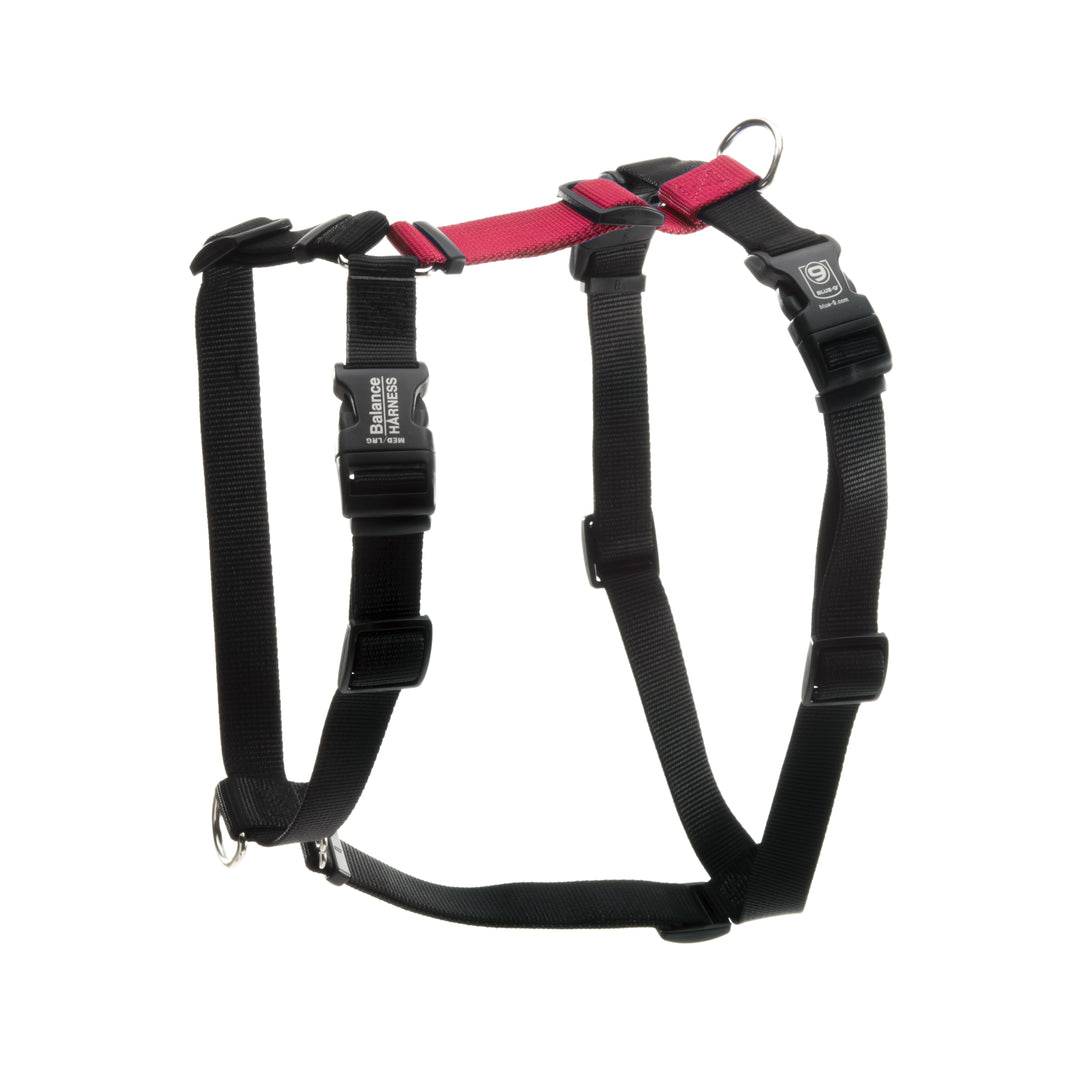
For rehab and veterinary professionals, the opportunity is less about convincing and more about equipping. Send clients home with a clear movement plan and the right tools to support it between visits. A simple starting recommendation: the KLIMB or KLIMB Jr. for body awareness work, the Propel or FitPaws FitBone for instability training, and the Balance Harness for supported movement on walks. The FitPaws guide by Dr. Neely is also a strong client education resource worth sharing alongside your recommendations.
Share this