
How to Build a Summer Display That Encourages Sales
Picture a typical retail pet store on a Saturday morning in June. A customer walks in needing a new leash; theirs finally gave out on a hike last weekend.
In most stores, they find the leash wall, grab one in the right length, and head to checkout, walking past a shelf of harnesses and a separate display of treat pouches without either one registering. They came in for a leash. They're leaving with a leash.
Most pet retail displays are organized by category because that's how inventory works, not because that's how customers think. A shopper doesn't walk in mentally sorted into "leashes" and "harnesses." They're thinking about a hike, a patio evening, a road trip. If you don't have displays that reflect that, most of what's on the shelves stays invisible to anyone who isn't already shopping with a specific item in mind.
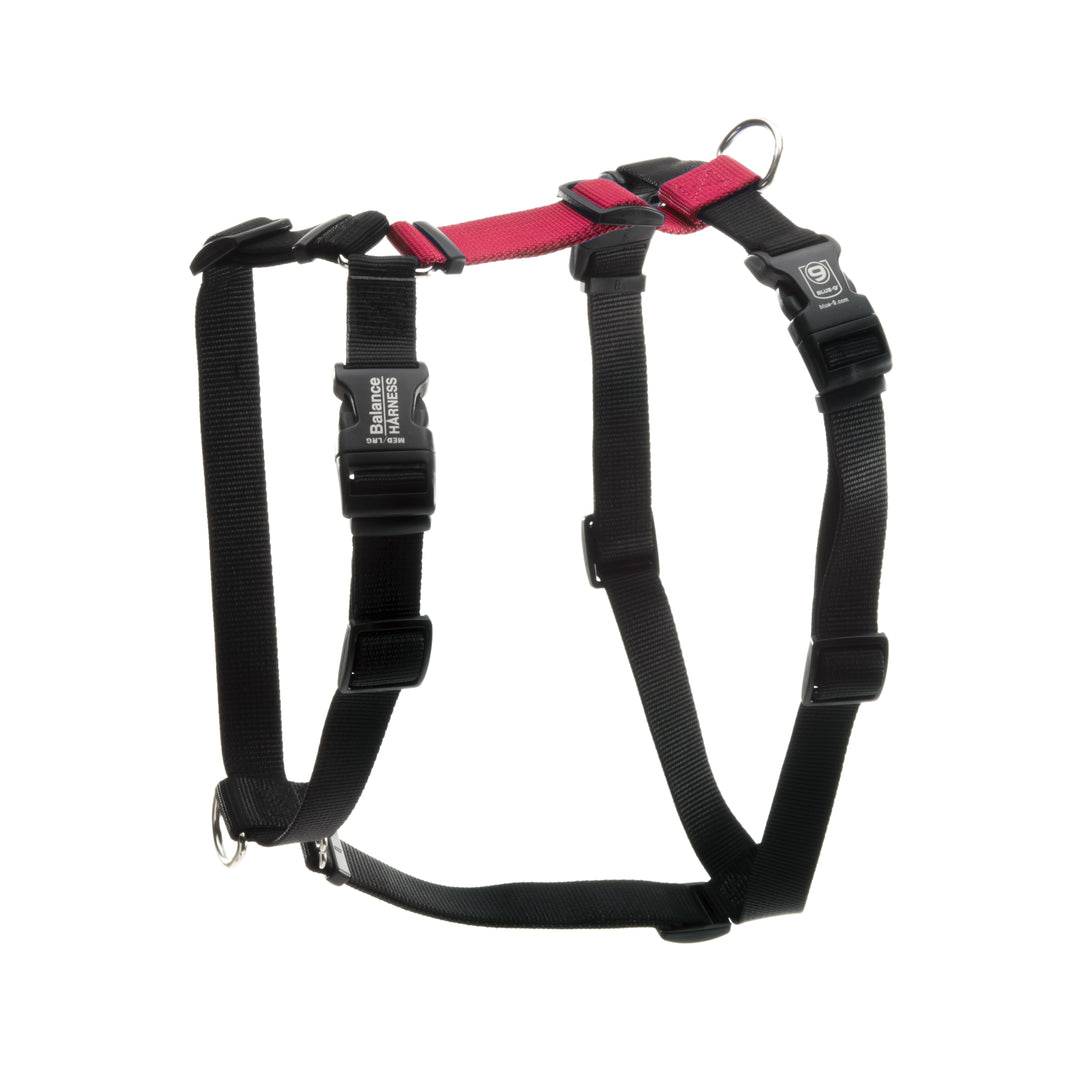
Now, run the same morning a different way. Near the entrance, a single display groups a harness, a leash, a treat pouch, some treats, and poop bags together under a simple line: "Everything you need to bring your dog along this summer." Something like Blue-9's Balance Harness, Multi-Function Leash, and treat pouch with a bag of treats peaking out of the pouch displayed as a set rather than three separate SKUs across the store. The customer still needs a leash, but now it's sitting next to a harness with a photo of a dog mid-hike and a treat pouch within reach of both. They're no longer choosing one item from a category. They're looking at their own weekend, already assembled.
POPAI's long-running Shopper Engagement Study, still the most cited research of its kind in retail marketing, found that most purchase decisions happen while a shopper is standing in the store, not before they arrive. The product is rarely what decides the sale. It's the display in front of them that lets them see how the items fit into their life, that drives the purchase.
That same broader body of POPAI research has pointed to pet supplies specifically as one of the categories that sees the most lift from a strong in-store display, in the same company as snack foods and household goods, categories most retailers already treat as display-driven. Pet retailers don't always extend that same thinking to their own floor.
A few specific moves close that gap.
Group by outing, not by category. A harness, a leash, a treat pouch, treats, and poop bags arranged together as a kit sell an experience. The same three items spread across three shelves just sell three separate items, if they sell at all.
Use adjacency on purpose. There's a reason chips end up next to salsa in most grocery stores. Retailers call this cross-merchandising, and it's one of the more reliable ways to lift average basket size by placing complementary products together instead of separating them by type. If a customer picks up the leash, the harness and treat pouch should already be in their field of view.
Let the signage answer the question customers are actually asking. A spec sheet tells someone what a harness is made of. A photo of a dog mid-hike wearing it answers what they really want to know: will this work for what I'm about to do this summer? POPAI's research found that shoppers drawn in by a compelling display are noticeably more likely to make an unplanned purchase. The visual is doing as much work as the product.
Placement matters too, and not just what's in the display. Near the entrance, it catches people while they're still browsing and open to an idea they hadn't planned on. Near checkout, it picks up last-minute additions from someone who already knows what they came for. Both work, just for different moments in a customer's visit.
If you carry something larger and visually distinct, a KLIMB Jr. unit, for instance, let it anchor the display instead of sitting off to the side on its own. Something that draws the eye from across the store pulls foot traffic toward everything placed near it.
None of this requires a remodel or a new budget. According to APPA's own research team, this year's data shows a real shift toward premium product adoption among pet owners, alongside a deeper wellness focus and more intentional spending. The customers walking into your store this summer are already primed to spend more than they planned. The display just needs to give them a reason to.
What does your current summer display look like?
References
Share this